Target Group
Lumora Care Foundation directs its work toward Kenya's most overlooked children — those navigating abandonment, extreme poverty, disability, or the precarious edge between childhood and adult life. Our care is not temporary relief. It is a structured, long-term investment in the whole person.
We do not serve statistics. We serve Brian, who arrived at seven unable to read, and Akinyi, who had forgotten what it felt like to be remembered on her birthday. Understanding exactly who we serve — and why — shapes every decision we make.
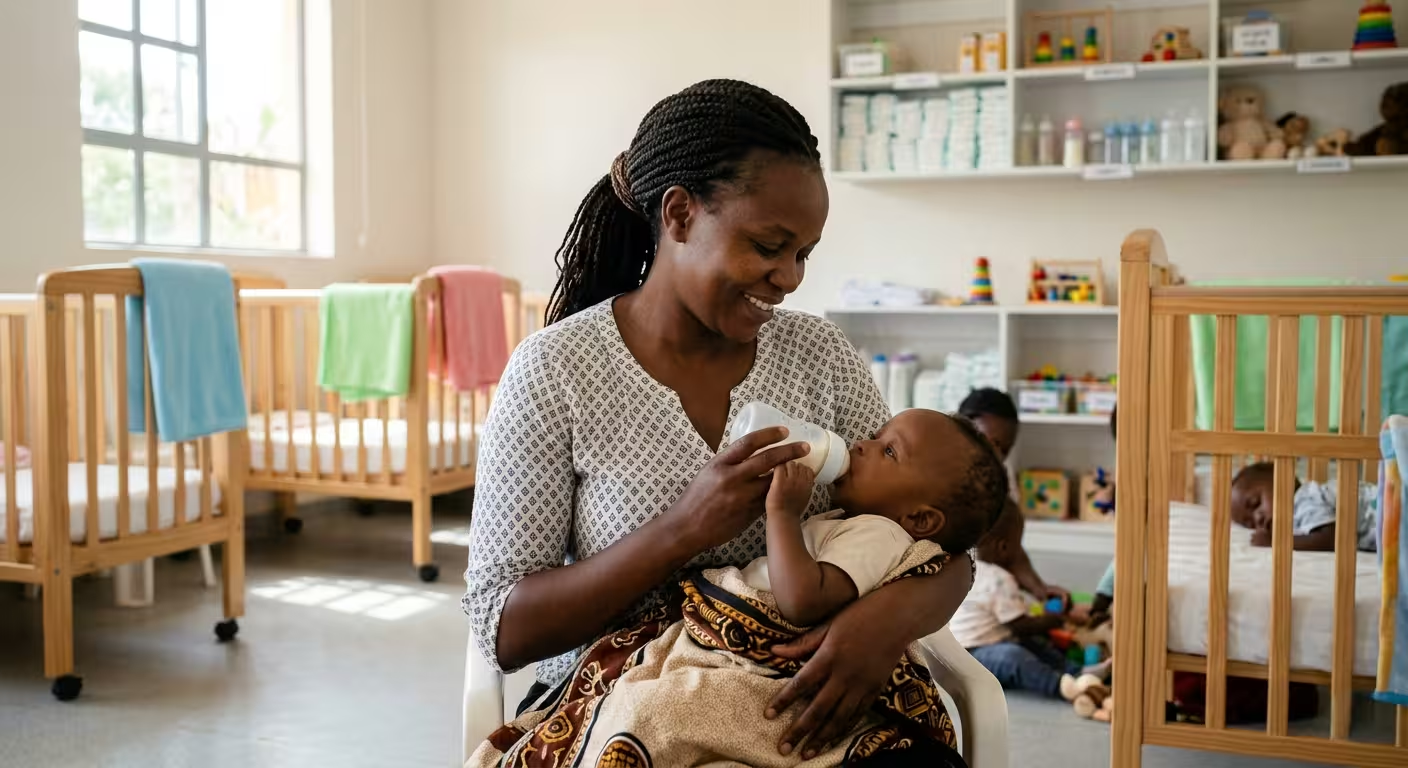
Abandoned, Orphaned & Neglected Children
Children who have lost one or both parents — through death, illness, or deliberate abandonment — form the core of who we serve. Many arrive malnourished, out of school, and carrying trauma that has gone unaddressed for years.
Our residential homes provide immediate safety and structure, while individual care plans ensure each child's specific physical, emotional, and educational needs are met without delay.
- Children orphaned by HIV/AIDS, accidents, or domestic violence
- Children living in child-led households with no adult supervision
- Infants and toddlers surrendered at hospitals or public spaces
- Children removed from abusive environments by authorities
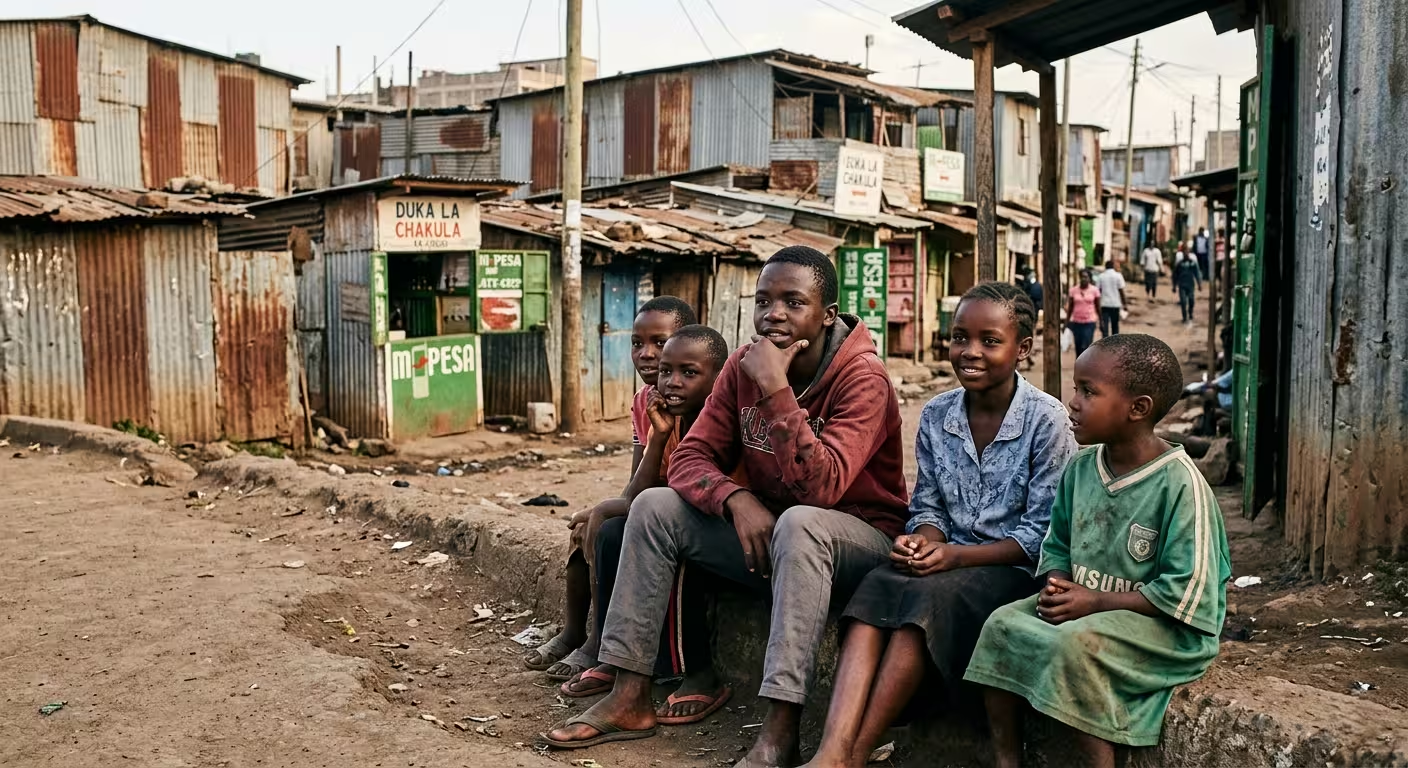
Children Living & Working on the Streets
Kenya's urban centres — particularly Nairobi, Kisumu, and Mombasa — are home to tens of thousands of children who live, sleep, and survive on the streets. Many left homes marked by violence, extreme poverty, or substance abuse among caregivers.
Our outreach teams operate in Mathare, Kibera, and the Mombasa Old Town area, building trust over weeks and months before offering a pathway into structured care — because forced rescue without relationship rarely works.
- Children who left home voluntarily due to domestic abuse or neglect
- Children engaged in informal labour — collecting waste, hawking, begging
- Children exposed to substance abuse and peer exploitation on the streets
- Girls at heightened risk of sexual exploitation and early pregnancy
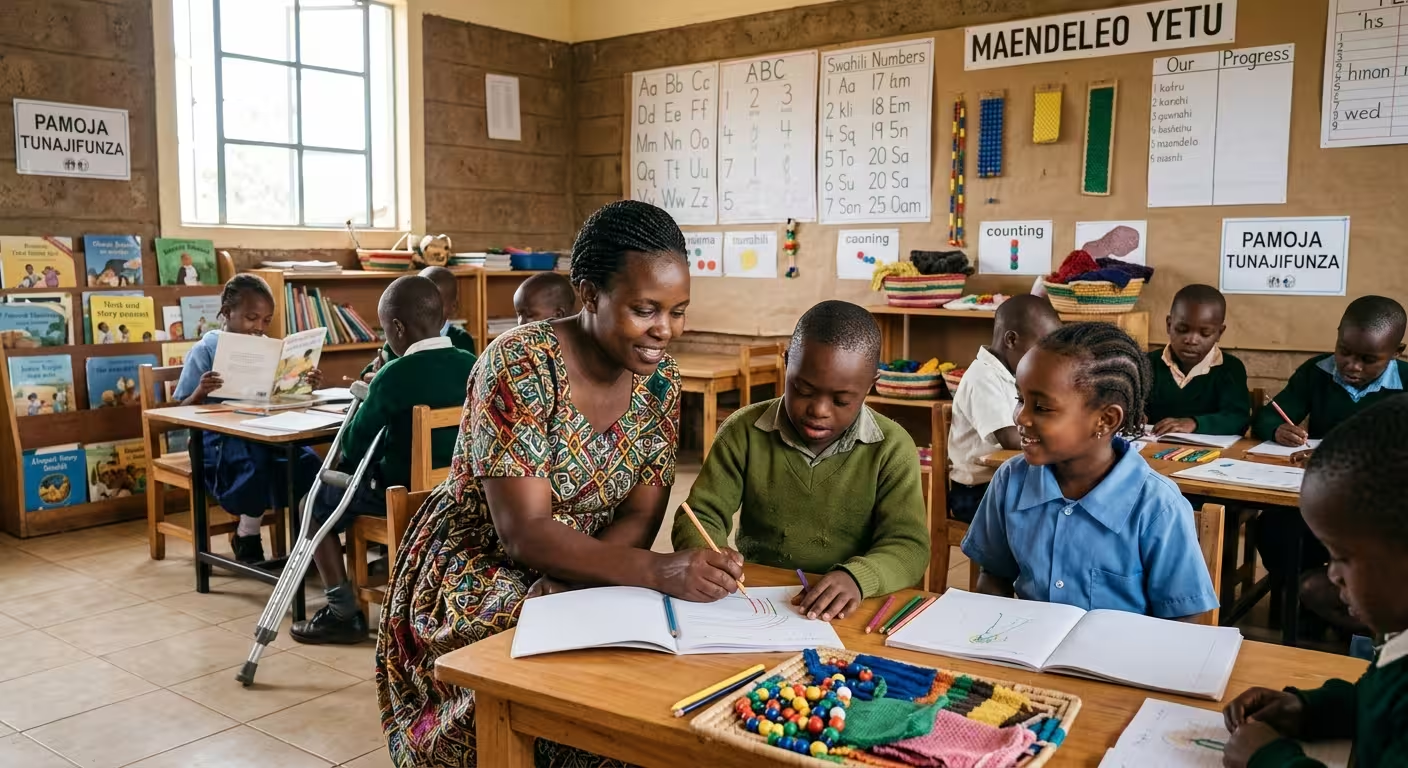
Children Living With Disability or Chronic Illness
Disability is among the most stigmatised realities facing Kenyan children — particularly in low-income settings where access to specialist care is limited and misconceptions about disability remain pervasive. Children with physical, developmental, or sensory impairments are disproportionately abandoned.
We provide inclusive residential care, adapted educational support, specialist medical referrals, and active safeguarding — ensuring no child's dignity is diminished by their condition.
- Children with physical disabilities — mobility, limb differences, cerebral palsy
- Children with developmental conditions such as autism and Down Syndrome
- Children living with HIV/AIDS requiring consistent medical management
- Children with hearing or visual impairment needing specialist schooling
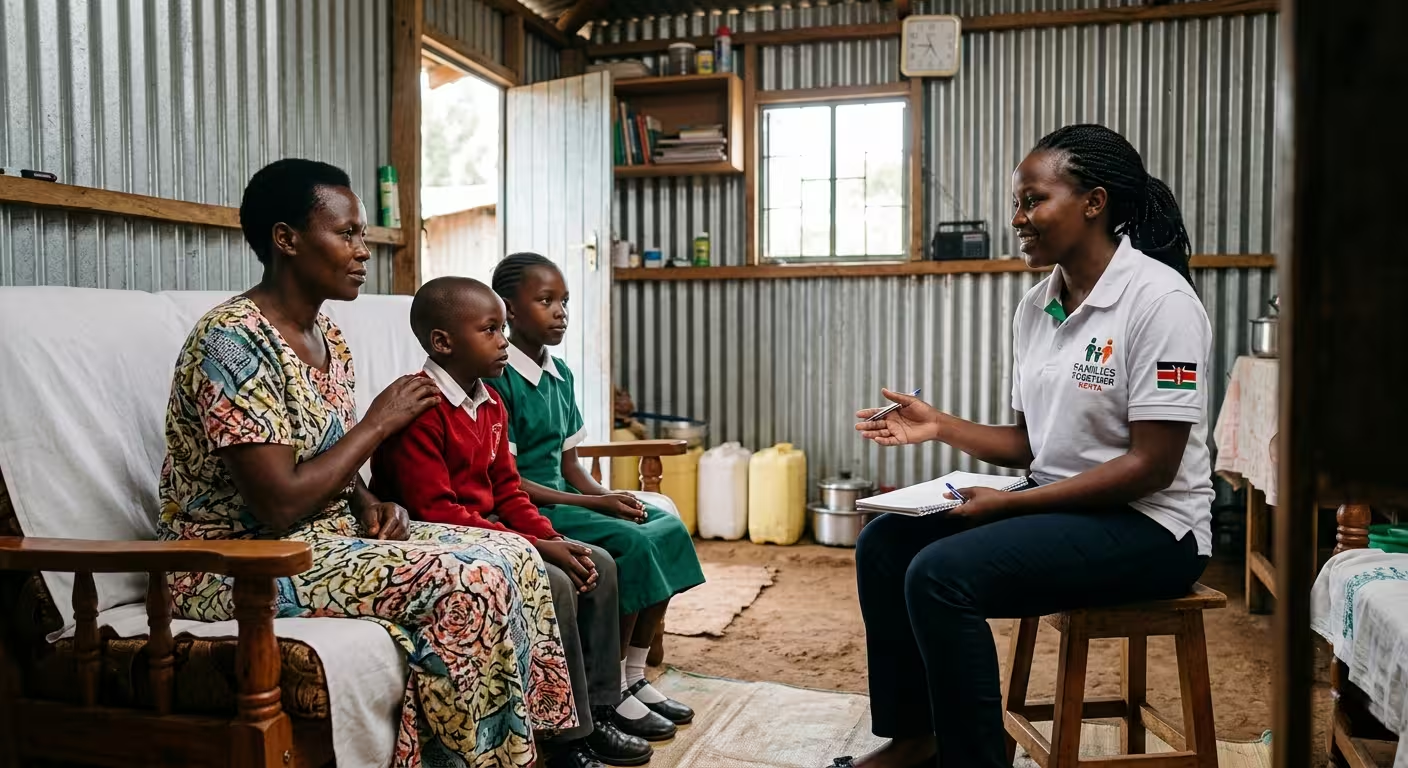
Families at Risk of Breakdown
The most sustainable child welfare outcome is a safe, stable family — not a residential institution. Many children in our care have living relatives whose circumstances, with the right support, can change. We invest in those families.
Through parenting classes, economic empowerment grants, psychosocial counselling, and legal support, we help caregivers rebuild the capacity to provide a safe home — reducing the likelihood of re-abandonment.
- Single mothers in informal settlements facing extreme financial hardship
- Grandparents or extended kin raising children without government support
- Families affected by substance dependency or domestic violence
- Parents separated from children during relocation or economic migration
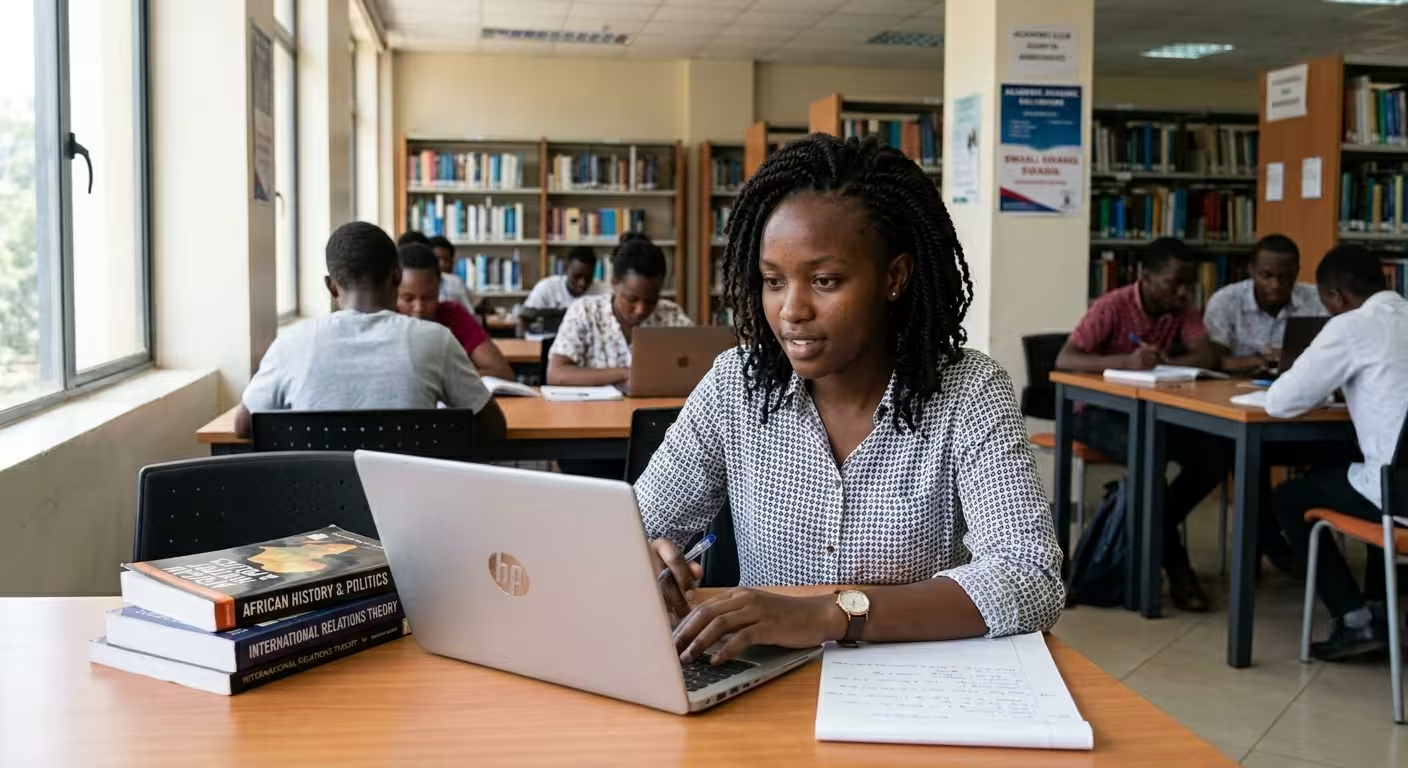
Teenagers Ageing Out of Care
When a young person turns 18, institutional support often ends abruptly. Without family, savings, or a professional network, the transition to independent adulthood can undo years of progress. We refuse to let that happen.
Our youth programme equips teenagers aged 16–22 with practical vocational skills, financial literacy, employment linkages, and an alumni network that continues beyond their time in residential care.
- Young people completing secondary school with no family to return to
- Youth enrolled in our vocational centre — ICT, tailoring, carpentry
- University bursary recipients supported through degree programmes
- Young women at risk of early marriage or economic exploitation
Impact across all target groups — 2024
in school
placements active
reunited
economically empowered
"We do not choose who arrives at our door. We choose how completely we show up for them — regardless of their story, their ability, or how long the road ahead might be."
— Dr. Amina W., Founder & Executive Director, Lumora Care Foundation
Be part of a future where every child belongs.
Every child in our care represents a community that changed its mind about what is possible. Your support — however it takes shape — adds to that story.